Life as an HGV Driver.

Updated: 2 days ago
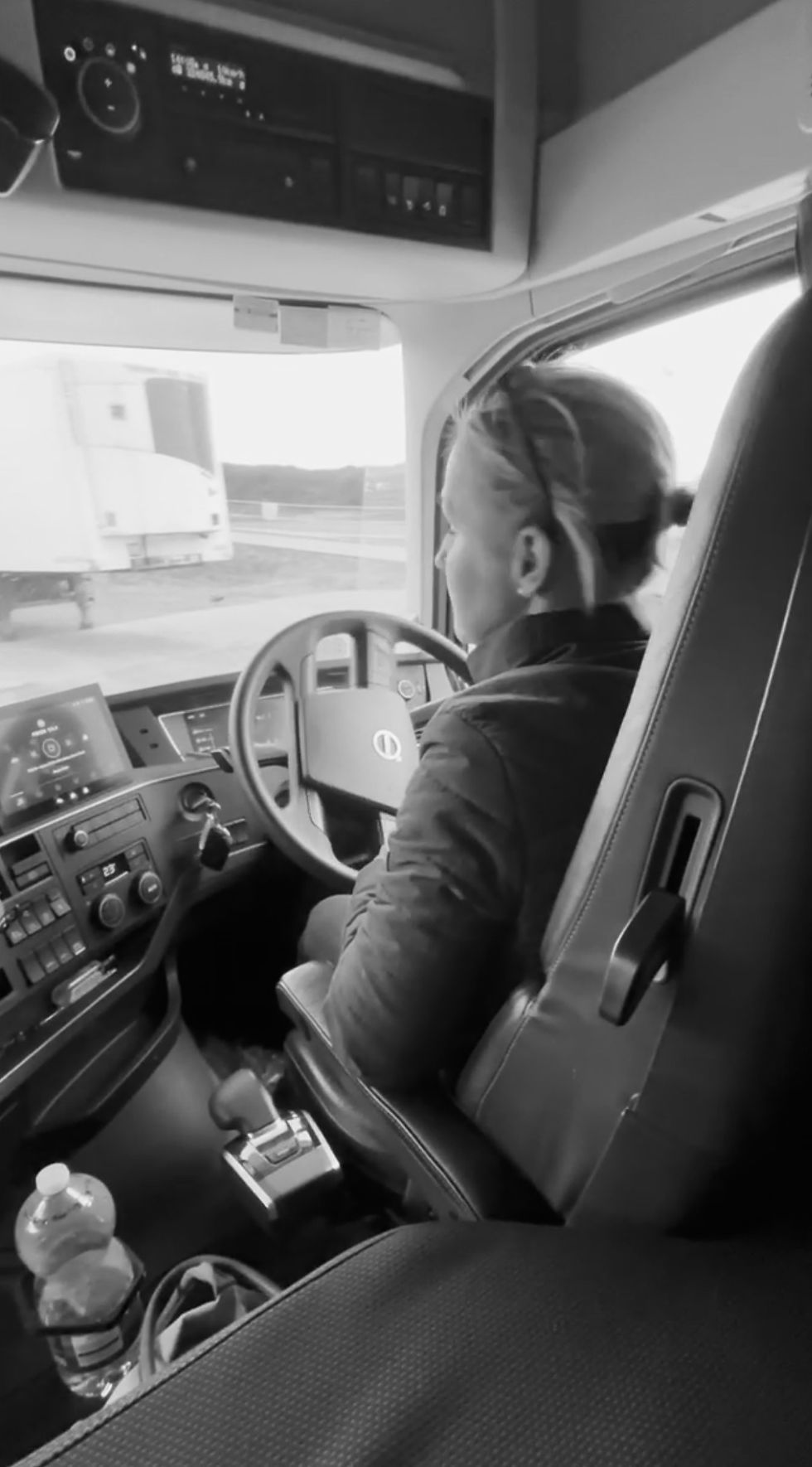
Great views, questionable showers and “just another ten minutes”
HGV driving can give you freedom, adventure, pride in your work and a front-row seat to some spectacular scenery.
It can also give you forty minutes to study a warehouse wall while your lunch slowly becomes a memory.
Some days, you would not swap this job for anything. Other days, you are being told to reverse into a space apparently designed for a wheelbarrow.
Both experiences count.
Long days and suspiciously early mornings
There is early. Then there is “even the dog thinks this is unreasonable” early.
Some shifts begin when the only people awake are other drivers, bakery staff and someone who has made poor decisions at a wedding.
Your working day can include checks, loading, driving, deliveries, paperwork and waiting for a person who has apparently gone to find another person.
Getting organised helps. Pack your food, clothes and work bag beforehand. Morning-you is unlikely to become a more capable person at 3:40 a.m.
The reward can be quiet roads and a brilliant sunrise. For a few minutes, you feel like you have the country to yourself.
Then someone overtakes you and immediately slows down.
Delays and the meaning of “shortly”
In ordinary conversation, “shortly” means soon.
At a loading bay, it is more of a philosophical position.
Common phrases include:
🚛 “The load is ready.” Somewhere, in some other time and place, a printer has started. Not here though.
🚛 “You’re next.” Your position in the queue has become a matter of interpretation. Or interpretive dance, depending on how impatient you become.
🚛 “Just waiting on the paperwork.” The goods have travelled further than the documents.
🚛 “Ten minutes, driver.” Ten minutes from when? Which day? Which year? Time itself is now a fully fluid concept.
Delays are frustrating, but rushing afterwards will not fix them.
Keep the office informed. Explain what the delay means for your remaining time and the delivery plan. Let them deal with the rearranging while you concentrate on doing the job safely.
You cannot recover two hours at a warehouse by becoming personally offended by the speed limit.
Traffic and the view from above
A truck gives you a wonderful view of the road, including decisions you wish you had not witnessed.
Someone squeezes into your stopping distance. Someone sits beside the trailer for several miles. Someone discovers their motorway exit with the urgency of a person remembering they have left the bath running.
Leave space and keep your composure.
You may provide a brief review of their driving to the dashboard. The dashboard has heard worse.
There is real satisfaction in reading traffic well, keeping the truck smooth and anticipating problems. Nobody gives you a trophy for avoiding a situation that never developed, but that is a large part of being good at the job.
Waiting at customers
You have arrived on time. Your paperwork is ready. You have followed the signs.
Excellent. Please park over there until further notice.
Before settling in, ask where you should wait, how they will call you forward and where the toilets are. Otherwise, you may spend twenty minutes touring an industrial estate dressed as someone who ought to know where they are going.
Use suitable waiting time to eat, get organised or move around where permitted. Follow site rules and record your activity correctly—being stationary does not automatically make it a break.
And appreciate the good customers: clear instructions, helpful staff and an efficient turnaround.
Someone who says, “Toilets are there, kettle’s on,” can restore your faith in humanity before 9 a.m.
Being away from home
Some drivers go home every evening. Others spend nights or longer stretches away.
There can be something enjoyable about having your own little space and waking up somewhere different.
There can also be evenings when you would happily exchange the entire European road network for your own sofa.
You might miss family meals, everyday routines or hearing about someone’s day without the conversation beginning, “Can you hear me now?”
Keep in touch when safely parked. Be honest about unpredictable finish times.
“I should be home around six” needs careful handling when you are still waiting for the load at four.
Different jobs suit different lives. Wanting local work does not make you less of a driver. Loving international work does not mean you never miss home.
Sleep and fatigue
You have parked, eaten and settled into the bunk.
Next door, a refrigeration unit begins its evening performance.
Sleep can be affected by noise, temperature, early starts and the brain’s decision that bedtime is an ideal moment to review tomorrow’s delivery instructions.
Plan your parking, make the bunk comfortable and give yourself a proper opportunity to rest.
If you become sleepy while driving, find a safe place to stop and tell the office. Opening the window and turning up the music does not turn you into a rested person.
Fatigue is not a character test.
The professional decision is the one that gets you and everyone else home safely.
Food and hydration
Service stations offer many choices, several of which are the same pastry in different shapes.
A breakfast roll can be a wonderful thing. It does not need to become a long-term catering strategy.
Bring food you enjoy, water and a few useful snacks. Keep chilled food properly refrigerated.
Do not pack an ambitious collection of healthy ingredients if you know you will look at them sadly before buying a sausage roll. Make the plan realistic.
Remember cutlery. Eating yoghurt with a coffee stirrer gives you plenty of time to reconsider your preparation.
Drink regularly and plan toilet stops. Avoiding water because stopping is inconvenient is not a good solution.
A decent meal and a proper break can improve a difficult day. So can a cup of tea that is still warm when you finally get to drink it.
Toilets and showers
Few jobs make you so aware of the distance to the next usable toilet.
Ask about facilities at customers. For nights out, check that showers are available and open when you expect to arrive.
“Showers available” and “showers available to you, tonight” are two different pieces of information.
Keep a wash bag, towel, shower footwear and clean clothes ready to grab. Report poor or unavailable facilities so the office can help with arrangements.
You will develop favourites. You may find yourself recommending a motorway shower with the enthusiasm other people reserve for a luxury hotel.
“Good pressure, actually hot, hook for your clothes.”
Five stars. Would return.
Cab comfort
On nights out, your cab becomes a bedroom, dining room and sitting room.
It is open-plan living, with considerably more torque.
Keep it comfortable and organised:
Adjust your seat and steering wheel properly.
Secure loose items and keep the footwell clear.
Keep windows, mirrors and your view unobstructed.
Use decent bedding.
Empty rubbish before it develops a forwarding address.
Use properly installed, approved equipment for cooking, heating and charging.
A tidy cab makes daily life easier. It also reduces the chance of conducting an archaeological excavation to find your charging cable.
There is something satisfying about parking up, closing the curtains and having a clean, comfortable space that is yours.
Especially when you know exactly where the biscuits are.
Loneliness and isolation
You can enjoy peace and quiet and still get lonely.
Some days, the longest conversation you have is:
“Registration?”
“Reference?”
“Bay twelve.”
It is efficient, but it does not quite replace friendship.
Make time for proper conversations when parked. Stay connected with people at home and get to know other drivers without feeling obliged to join every discussion about whose previous truck was better.
If isolation is getting to you, talk about it. A different route, shift pattern or type of work may suit you better.
Talking to yourself in the cab is understandable. Feeling persistently low or cut off deserves support, not another joke about being tough.
Why people love it anyway
Because a good day in a truck really can be a good day.
There is the independence of managing your work, the variety of different places and the satisfaction of handling a large vehicle well.
There is the reverse you once dreaded that now feels straightforward.
There are drivers who help without making you feel foolish, yard staff who explain things properly and customers who are genuinely glad you have arrived.
There are coastal roads, mountain views and sunrises that make the early alarm feel slightly less personal.
You are doing useful work. You can see what you have achieved: collected safely, carried safely, delivered safely.
And occasionally, everything comes together. The load is ready, the roads are clear, the customer is organised and there is an excellent parking space waiting for you.
You may briefly suspect you have accidentally taken someone else’s shift.
Find the job that fits you
There is no single version of HGV life.
Local work, regional routes, nights, tramping and international driving all feel different. The employer, planning, equipment and treatment of drivers matter enormously.
Ask about the daily reality—not just the truck.
A lovely cab is welcome. So are realistic schedules, decent facilities and an office that answers the phone when something goes wrong.
You can be proud of your work and still want proper rest, fair treatment and time at home.
Aim to be safe, dependable and comfortable asking questions. Enjoy the good days. Get support with the difficult ones.
And pack the fork.
You have enough challenges without having to improvise cutlery.



Comments